Optimizing Indoor Environments with HVAC Automation
Indoor air quality plays a crucial role in ensuring a healthy and comfortable living or working environment. One of the most effective ways to improve air quality and manage environmental conditions is through the use of Air Quality Sensors and HVAC Automation. These technologies work together to create smart, responsive systems that enhance comfort while improving energy efficiency and reducing operational costs.
The Importance of Air Quality Sensors
Maintaining good indoor air quality is essential for health and productivity. Air Quality Sensors are designed to detect and monitor pollutants such as carbon dioxide (CO2), volatile organic compounds (VOCs), and particulate matter. These sensors provide real-time data that allows HVAC systems to adjust airflow, temperature, and humidity levels automatically. By using Air Quality Sensors, buildings can reduce health risks associated with poor air quality, such as respiratory issues, allergies, and fatigue.
How HVAC Automation Enhances Air Quality
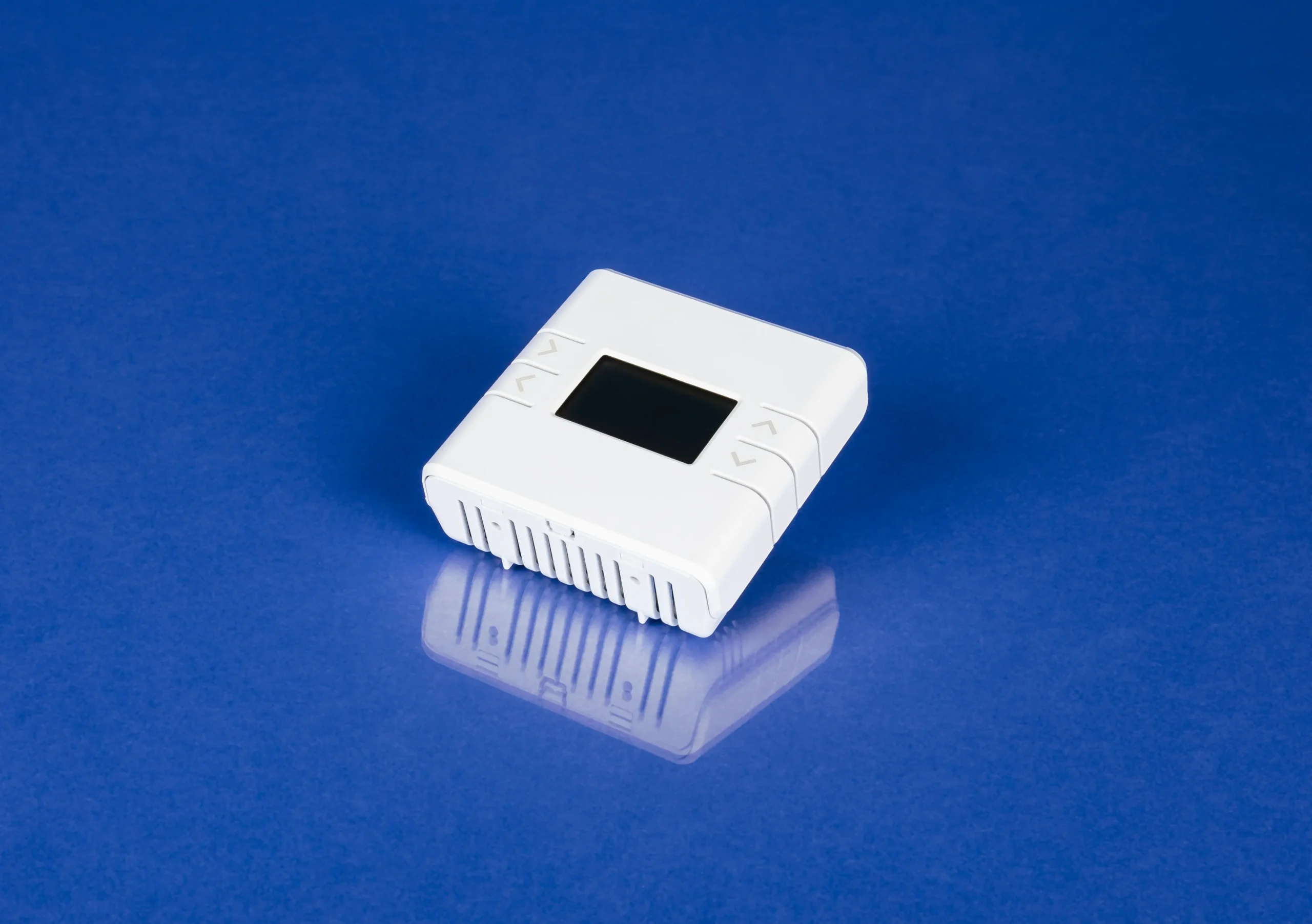
HVAC Automation refers to the use of automated systems to regulate heating, ventilation, and air conditioning. When integrated with Air Quality Sensors, HVAC systems can respond dynamically to changes in air quality. For instance, if an increase in CO2 levels is detected, the system can automatically increase ventilation to bring in fresh air and restore balanced air quality. This ensures that the indoor environment remains comfortable and safe without manual intervention.
Energy Efficiency and Cost Savings
Automated HVAC systems not only improve air quality but also enhance energy efficiency. By relying on Air Quality Sensors to measure the environment's needs, HVAC systems can avoid overcooling or overheating, thereby reducing energy consumption. This leads to lower utility costs and a reduced carbon footprint. Efficient use of HVAC systems also extends the lifespan of equipment by preventing unnecessary strain and wear.
Customization and Flexibility in Automation
Modern HVAC Automation systems offer significant flexibility, allowing users to customize settings based on occupancy, time of day, and specific environmental conditions. For example, the system can be programmed to reduce ventilation rates during unoccupied hours and increase airflow during peak usage times. This level of control allows businesses and homeowners to optimize comfort while minimizing costs.
Improved Occupant Comfort and Health
A well-regulated indoor climate improves overall comfort and health for occupants. Proper ventilation reduces the buildup of allergens and pollutants, creating a cleaner and more comfortable atmosphere. Air Quality Sensors help identify and address issues such as humidity imbalance, mold growth, and stale air, ensuring a healthier indoor environment. Enhanced air quality has been linked to increased focus, productivity, and overall well-being.
Integration with Smart Building Technology
HVAC Automation can be integrated with other smart building systems, such as lighting, security, and energy management. This creates a unified control platform that enhances overall building performance. For example, a smart system can adjust HVAC settings based on occupancy patterns or weather conditions, further improving energy efficiency and comfort. The use of centralized control panels and mobile apps allows building managers to monitor and adjust settings remotely.
Future of Air Quality Management and Automation
Advancements in sensor technology and machine learning are driving the future of HVAC Automation. Predictive maintenance capabilities allow systems to identify and address potential issues before they become major problems. Enhanced data analysis enables more precise control, ensuring that air quality and energy usage remain optimized at all times. The combination of Air Quality Sensors and smart automation represents a significant step toward creating healthier, more efficient indoor environments.
Comments
Post a Comment